.webp)


How Do Home Drainage Systems Work?
Quick Answer
Drain plumbing works by using gravity and venting to carry wastewater away from sinks, showers, toilets, and appliances. As water flows down the drain, it moves through a network of pipes that slope downward toward the home’s main sewer line. Plumbing vents allow air into the system so wastewater can flow smoothly without creating pressure problems.
Key Points
- Drain systems rely on gravity to move wastewater away from the home.
- Vent pipes allow air into the plumbing system to keep drains flowing properly.
- Traps under sinks and fixtures prevent sewer gases from entering the home.
How Drain Systems Work in a Home
When water goes down a sink, shower, or toilet, it enters the home’s drainage system. Unlike water supply lines that use pressure to move water, drain pipes rely on gravity to carry wastewater away.
Drain pipes are installed at a slight downward angle so water naturally flows toward the main sewer line. This slope allows wastewater to move efficiently through the plumbing system.
From there, the water exits the home through the main sewer line and flows into the municipal sewer system or septic tank.
What Happens When You Flush or Use a Sink?
When you flush a toilet or run water in a sink, wastewater enters the drain pipe and begins flowing downward through the plumbing system. The pipes guide this wastewater toward larger drain lines until it reaches the home’s main sewer line.
This process happens quickly and continuously, which is why properly designed drain systems are essential for safe waste removal.
The Role of Drain Pipes
Drain pipes are responsible for transporting wastewater from individual fixtures to the main sewer line. These pipes must be carefully sized and angled to ensure water flows efficiently without creating blockages.
If pipes are too flat or too steep, wastewater may not move properly through the system.
Why Are Drain Pipes Sloped?
Drain pipes are sloped so gravity can move wastewater through the plumbing system. Without the correct slope, water could sit inside the pipes and allow waste to build up.
Proper pipe slope helps maintain steady flow and reduces the risk of clogs.
Why Plumbing Traps Are Important
Most sinks, showers, and floor drains contain a curved pipe section called a trap. This curved portion of pipe holds a small amount of water after the fixture is used.
The water inside the trap creates a barrier that prevents sewer gases from entering the home.
What Does a Plumbing Trap Do?
A plumbing trap prevents sewer gases from traveling up through drain pipes and into the home. The water held in the curved section of pipe blocks these gases while still allowing wastewater to pass through the drain.
Traps are essential for maintaining safe indoor air quality.
The Role of Plumbing Vent Pipes
Vent pipes play a critical role in helping drain systems work properly. These pipes extend upward from the plumbing system and exit through the roof of the home.
Vent pipes allow air into the drainage system, which helps maintain balanced pressure inside the pipes.
Why Are Plumbing Vents Necessary?
Plumbing vents allow air to enter the drain system so wastewater can flow smoothly through the pipes. Without vents, negative pressure could develop in the pipes and slow down drainage.
Proper venting also helps prevent gurgling sounds and improves the overall efficiency of the plumbing system.
Common Drain Problems Homeowners Experience
Drain systems are designed to move wastewater efficiently, but certain issues can disrupt the flow. When drains become blocked or damaged, water may move slowly or stop draining altogether.
Common drain problems include:
- Slow draining sinks or showers
- Frequent drain clogs
- Gurgling sounds in pipes
- Unpleasant odors coming from drains
- Water backing up into fixtures
These issues may indicate buildup, pipe damage, or problems within the drainage system.
Why Do Drains Become Clogged?
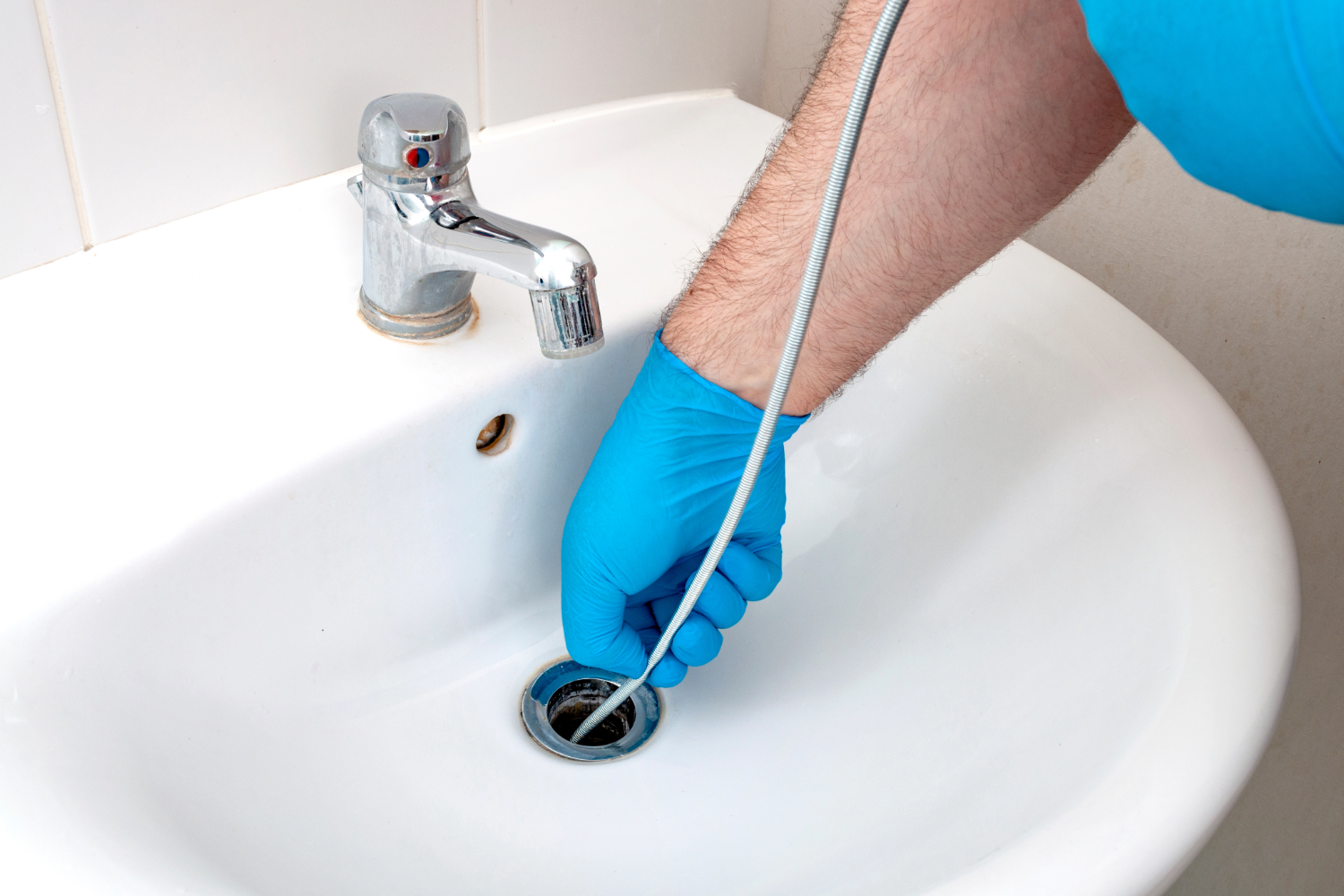
Drains often become clogged due to buildup of materials such as grease, soap residue, food particles, hair, or other debris. Over time, these materials can accumulate inside pipes and restrict water flow.
Regular drain maintenance and proper disposal habits can help prevent many clogs.
Keeping Your Drain System Working Properly
Maintaining your home’s drain system helps prevent clogs and ensures wastewater flows safely away from your home. Avoid pouring grease or oils down the drain and use drain screens to catch hair and debris.
Routine plumbing inspections can also help identify developing drain issues before they become serious.
When Should You Call a Plumber for Drain Problems?
You should contact a plumber if drains are consistently slow, multiple fixtures are clogged, or water begins backing up into sinks, tubs, or toilets. These symptoms may indicate a larger blockage in the plumbing system.
Professional plumbers can inspect the drain system and restore proper flow.
Keep Your Home’s Drain System Flowing Properly
Your home’s drain system plays an essential role in removing wastewater safely and efficiently. Pipes, traps, and vent systems all work together to keep water flowing and prevent sewer gases from entering the home.
If you are experiencing slow drains, recurring clogs, or other plumbing issues, the experienced plumbers at Wagner can help. Contact Wagner today to schedule plumbing service in Albuquerque and keep your home’s drain system working properly.
FAQs
Do all drains connect to the same pipe?
Most drains in the home eventually connect to a main sewer line that carries wastewater away from the property.
Why do my drains make gurgling sounds?
Gurgling sounds often occur when air is trapped in the drain system due to blockages or venting issues.
Can drain pipes wear out over time?
Yes, pipes can deteriorate due to age, corrosion, or shifting ground conditions, which may eventually require repair or replacement.
What causes multiple drains to clog at once?
When several drains clog at the same time, it may indicate a blockage in the main sewer line rather than a single fixture.