Quick Answer
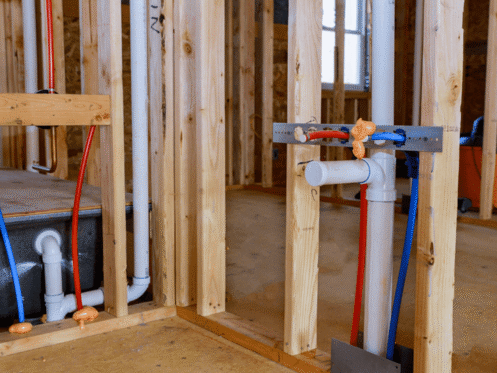
Home plumbing systems work by delivering clean water into the house through supply pipes and removing wastewater through a separate drainage system. Water pressure pushes fresh water to fixtures like sinks, showers, and appliances, while gravity helps carry wastewater out through drain pipes connected to the sewer system. Together, these systems allow homes to safely distribute water and remove waste.
Key Points
- Home plumbing systems include two main parts: water supply lines and drainage systems.
- Water pressure delivers clean water to fixtures, while gravity removes wastewater.
- Pipes, vents, fixtures, and valves all work together to keep the plumbing system operating safely.
The Two Main Parts of a Home Plumbing System
Most residential plumbing systems are built around two separate but connected systems: the water supply system and the drainage system. Each system performs a different function, but works together to provide safe water and sanitation throughout the home.
The water supply system brings clean water into the house for everyday use. The drainage system carries wastewater away from sinks, toilets, showers, and appliances.
Understanding how these two systems work together helps homeowners better recognize potential plumbing issues.
What Is the Water Supply System?
The water supply system delivers clean water to your home from the municipal water supply or a private well. Water travels through a main water line and enters the home under pressure, allowing it to flow through pipes to fixtures and appliances.
This system supplies water to areas such as:
- Kitchen sinks
- Bathroom sinks and showers
- Toilets
- Washing machines
- Dishwashers
- Outdoor faucets
Shut-off valves throughout the system allow plumbers or homeowners to stop water flow when repairs are needed.
How Water Moves Through Your Home
Water pressure is what allows water to travel through pipes and reach different parts of the home. Municipal water systems maintain pressure that pushes water through underground lines and into residential plumbing systems.
Once inside the home, pipes branch out to deliver water to different rooms and fixtures.
Hot water is produced by a water heater, which heats water before distributing it through separate hot water lines.
How Do Hot and Cold Water Pipes Work?
Homes use two types of water supply lines: hot water lines and cold water lines. Cold water enters the home from the main water supply and is distributed directly to fixtures.
Some of this cold water also flows into the water heater, where it is heated and then delivered through separate hot water pipes.
This system allows homeowners to adjust water temperature by mixing hot and cold water at faucets and shower valves.
The Drainage and Waste Removal System
After water is used, it must be safely removed from the home. The drainage system is responsible for carrying wastewater away from sinks, showers, toilets, and appliances.
Unlike supply lines that rely on pressure, drainage systems rely primarily on gravity to move waste through pipes.
Drain pipes slope downward so wastewater naturally flows toward the main sewer line.
Where Does Wastewater Go?
Wastewater travels through drain pipes that connect to a main sewer line running from the home to the municipal sewer system or septic tank. This system safely removes waste and prevents contamination inside the home.
Plumbing traps installed beneath sinks and drains also help prevent sewer gases from entering the house.
The Role of Plumbing Vent Pipes
Vent pipes are another essential part of a home’s plumbing system. These pipes extend from the plumbing system through the roof and allow air to enter the drainage system.
Ventilation helps maintain proper pressure in drain pipes and allows wastewater to flow smoothly through the system.
Why Are Plumbing Vents Important?
Plumbing vents are important because they prevent vacuum pressure from forming inside drain pipes. Without vents, drains could empty slowly, create gurgling noises, or allow sewer gases to enter the home.
Vent pipes help maintain proper airflow so the drainage system functions efficiently.
Common Plumbing Components in a Home
Several different components work together to keep the plumbing system operating smoothly. These parts control water flow, maintain pressure, and direct water where it needs to go.
Important plumbing components include:
- Water supply pipes
- Drain pipes
- Plumbing fixtures
- Water heaters
- Shut-off valves
- Pipe fittings and connectors
When these components work properly together, the system can deliver water safely and remove waste effectively.
What Are Plumbing Fixtures?
Plumbing fixtures are devices that allow homeowners to access water in the home. These include sinks, toilets, showers, bathtubs, faucets, and appliances connected to the plumbing system.
Fixtures are connected to both the water supply system and the drainage system.
Why Understanding Your Plumbing System Matters
Understanding how plumbing works can help homeowners identify early warning signs of potential problems. Issues such as slow drains, leaks, unusual noises, or changes in water pressure may indicate that something within the system needs attention.
Routine maintenance and inspections can help prevent plumbing problems and extend the life of the system.
When Should You Call a Professional Plumber?
You should contact a professional plumber if you experience recurring leaks, persistent drain clogs, low water pressure, or other plumbing issues that affect your home’s water system. Professional plumbers can inspect the system, diagnose the problem, and provide the appropriate repairs.
Early repairs can prevent larger plumbing issues and protect your home from water damage.
Get Professional Plumbing Help in Albuquerque
Home plumbing systems are designed to deliver clean water and remove wastewater safely and efficiently. When pipes, fixtures, or drainage systems develop problems, professional service can help restore proper function.
If you are experiencing plumbing issues or want to schedule an inspection, the experienced team at Wagner Mechanical can help. Our plumbers provide reliable plumbing services throughout Albuquerque to keep your home’s plumbing system operating safely and efficiently.
Contact Wagner Mechanical today to schedule plumbing service and keep your home’s plumbing system running smoothly.
FAQs
How does water get into my house?
Water enters your home through a main water line connected to the municipal water supply or a private well. Water pressure pushes it through pipes to different fixtures.
Why do plumbing systems use gravity for drains?
Drain pipes are angled downward so gravity can move wastewater away from the home efficiently.
What prevents sewer gases from entering the home?
Plumbing traps and vent pipes help prevent sewer gases from entering the house while allowing wastewater to flow properly.
Can plumbing systems wear out over time?
Yes. Pipes, valves, and fixtures can wear out due to age, corrosion, or mineral buildup, which may eventually require repair or replacement.